
Bankart Repair
Home /Sports Medicine/Bankart Repair
Home /Sports Medicine/Bankart Repair
The rotator cuff is a group of muscles and tendons surrounding the shoulder joint, comprising the supraspinatus, infraspinatus, teres minor, and subscapularis muscles. It plays a crucial role in stabilizing the shoulder and facilitating its movement. The rotator cuff enables lifting and rotating the arm, providing strength and mobility necessary for various activities, including lifting objects overhead and rotating the arm outward or inward. Injuries to the rotator cuff are common and can occur due to repetitive movements, trauma, or degenerative changes associated with aging. Symptoms of a rotator cuff injury may include pain, weakness, stiffness, and limited range of motion in the shoulder. Treatment options for rotator cuff injuries range from conservative approaches such as rest, physical therapy, and anti-inflammatory medications to more invasive interventions like corticosteroid injections or surgical repair, depending on the severity of the injury and its impact on daily activities. Rehabilitation is often a crucial aspect of recovery, helping to restore strength, flexibility, and function to the shoulder joint.
Preparation for rotator cuff repair involves conducting thorough assessments to determine the severity of the injury and the functionality of the shoulder. Patients undergo physical examinations and imaging studies, like MRI scans, to evaluate the extent of the rotator cuff tear and any associated damage. Preoperative care includes customized exercises aimed at strengthening shoulder muscles, enhancing range of motion, and stabilizing the joint. Additionally, patients receive comprehensive education about the surgical procedure, potential risks, anticipated outcomes, and postoperative rehabilitation. This meticulous approach ensures that patients are well-informed, physically prepared, and emotionally equipped for the procedure, thus increasing the likelihood of successful outcomes and optimal recovery. By addressing these factors before surgery, healthcare providers strive to maximize patient well-being and satisfaction with the rotator cuff repair process, ultimately enhancing the overall quality of care and improving the patient experience.
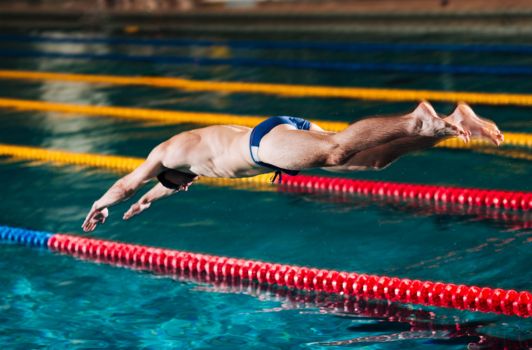
Rotator cuff repair surgery focuses on reattaching or re-tensioning the torn tendon to its original position on the humerus. Usually performed arthroscopically, this approach employs minimally invasive techniques, facilitating faster recovery. Post-surgery, patients participate in a structured rehabilitation program to enhance recovery, restore shoulder strength and stability, and resume normal activities. This comprehensive process addresses underlying issues, promoting functional restoration and reducing the risk of re-injury. Effective communication between healthcare providers and patients is crucial for understanding the procedure, managing expectations, and ensuring a successful recovery. Through collaborative efforts, patients are empowered to actively engage in their rehabilitation, enhancing satisfaction and ensuring favorable outcomes. Structured rehabilitation enables patients to expedite recovery, achieve optimal shoulder function, and improve their quality of life while reducing the likelihood of future shoulder problems.
Life after rotator cuff repair involves a period of rehabilitation and recovery, during which patients gradually regain strength, mobility, and confidence in their shoulder joint. Rehabilitation focuses on restoring range of motion, improving muscle strength and endurance, enhancing joint stability, and gradually reintroducing activities requiring overhead motion. Adherence to the prescribed rehabilitation program and gradual progression of activities are essential for minimizing the risk of reinjury and achieving long-term success.
Rehabilitation following rotator cuff repair plays a crucial role in restoring shoulder function, reducing pain and swelling, and preventing future injuries. The rehabilitation program typically begins shortly after surgery and progresses through various phases, targeting specific goals and objectives. Physical therapists guide patients through exercises, provide education, support, and personalized treatment plans tailored to individual needs and goals. Consistent participation in rehabilitation is essential for optimal outcomes and a successful return to normal activities.

.png)